

30% of buyers enter the showroom without having chosen a brand or model, a figure that rises to 64% among customers considering new brands. For almost one in two buyers, the dealership experience improves their perception of the brand.
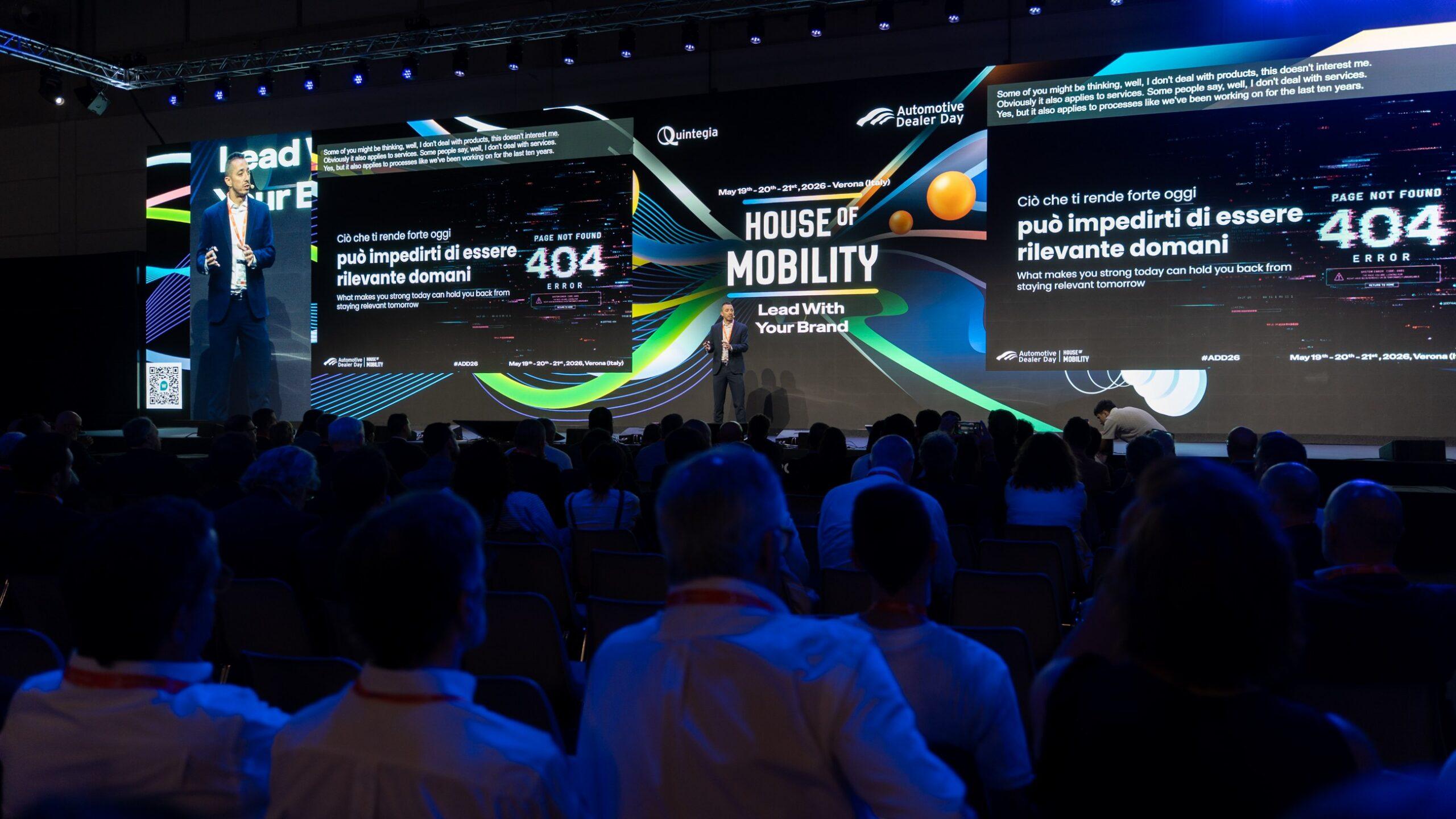
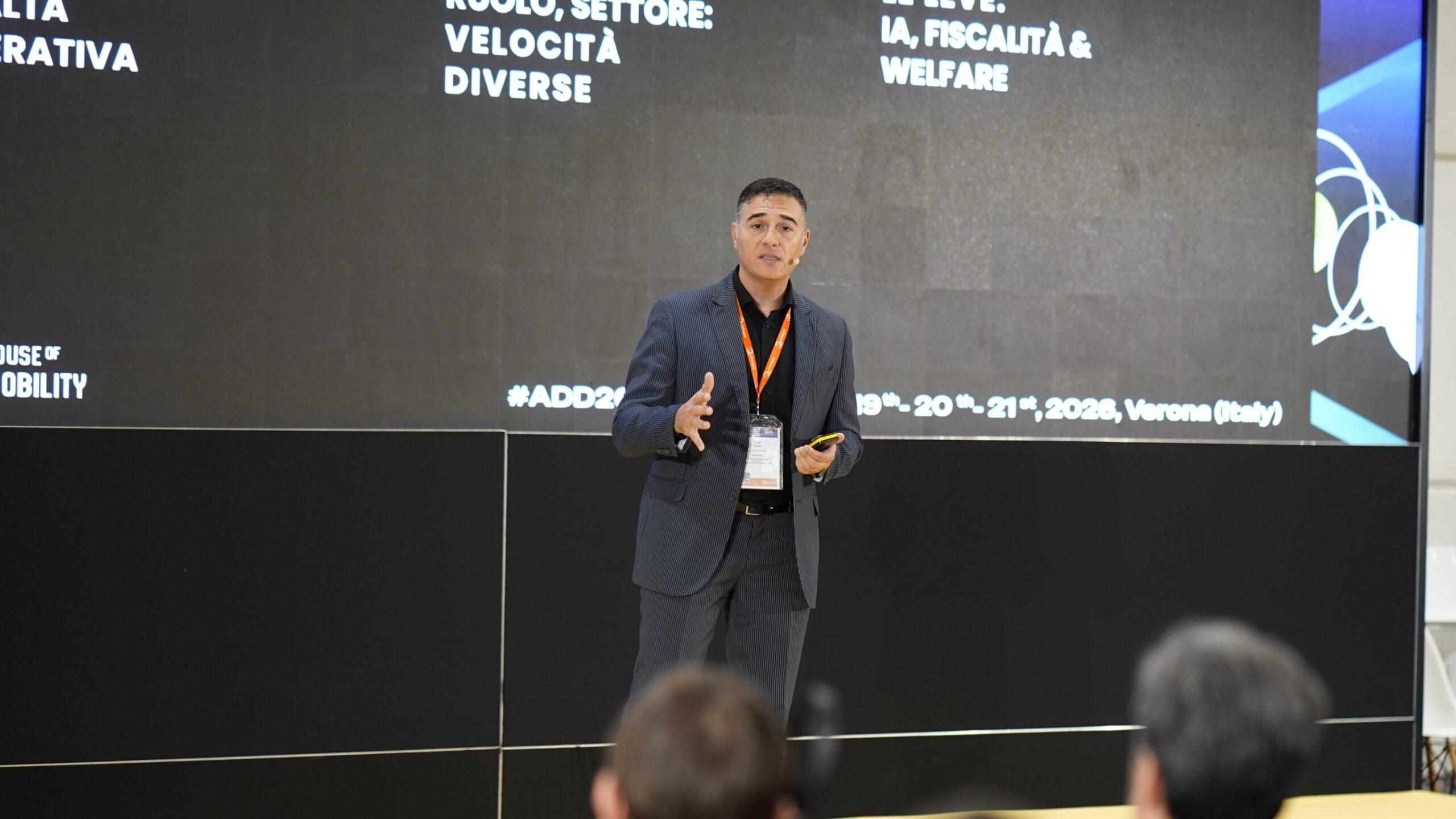
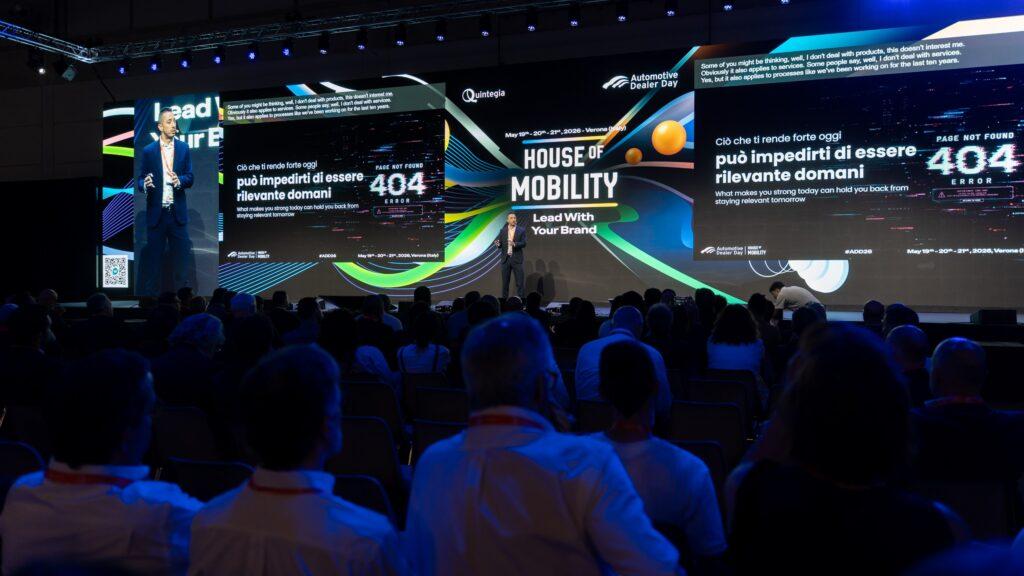
The 2026 edition of Quintegia’s Automotive Customer Study, presented at Automotive Dealer Day – The House of Mobility, confirms the key role played by the retail network in the customer decision-making process. The relationship with the dealer remains one of the main factors influencing the car-buying journey. 74% of customers see themselves as clients of the dealership, a higher share than the 60% who primarily identify as customers of the automotive brand.
At the same time, 30% of buyers arrive at the showroom without having yet decided on a brand or model. Among customers considering new brands, this figure rises to 64%. The study also highlights another important finding: for 47% of customers, interaction with the dealer improves their perception of the brand compared with their initial expectations, reaching 57% among buyers considering new brands.
The data show that, in a market shaped by the growing digitalisation of the buying experience and the arrival of new players, the role of the dealership continues to evolve from a traditional point of sale into a place for guidance, support and trust-building.
The showroom remains essential in choosing a car
Today’s purchase journey is less linear than in the past. While 45% of respondents — 3,906 new-car buyers and 804 used-car buyers — complete their search after visiting just one dealership, a significant share still enters the showroom at an exploratory stage. Overall, almost one in three customers (30%) has not made a final decision on which vehicle to buy before visiting the dealership.
This trend is even more evident among buyers considering new brands. In this segment, 64% say they have not made a final choice before visiting the showroom, while 28% visit more than three dealerships before completing the purchase process.
New brands: trust depends on the strength of the retail network
Consumer openness towards new automotive brands is significant: 47% say they would consider them, mainly attracted by price (71%) and innovation (52%). However, according to the Automotive Customer Study, caution remains, with trust in the brand cited by 59% of respondents as the main barrier.
In this context, the retail network plays a decisive role in building credibility 85% of customers considering new brands believe it is important for the brand to be represented by solid and well-recognised dealers.
For emerging brands, the dealership is therefore not just a sales channel, but a key element in building customer trust.
The dealership experience strengthens the brand
The quality of the relationship with the dealer has a direct impact on brand perception. 47% of customers say their dealership experience improved their image of the brand compared with their initial expectations, rising to 57% among buyers considering new brands.
This effect is particularly relevant in a market phase in which supply is expanding and customers are comparing an increasing number of alternatives.
Digital is growing, but the dealer remains the most authoritative source
Interest in online car-buying options continues to grow. In 2026, 34% of customers say they are very or fairly interested in completing the purchase process online after having seen the vehicle in person, up from 28% in 2025. Among Generation Z respondents (168 interviews), the figure rises to 43%.
Despite this, dealerships continue to hold an advantage when it comes to the credibility of information. On a scale from 1 to 10, the level of trust attributed to information received in the showroom reaches an average score of 7.61, compared with 5.71 for online sources.
After-sales support emerges as a customer priority
Looking at areas for improvement, support and continuity after the purchase are the top issues identified by consumers, mentioned by 46% of respondents. These are followed by greater transparency of information (31%) and higher technical competence among staff (28%).
Among customers considering new brands, after-sales support is even more important (48%), together with clarity of information (39%).
Electric vehicles: stable interest, but perception barriers remain
According to the Automotive Customer Study, interest in electric vehicles remains stable but still limited, standing at 22%. However, among those who have already made the switch, satisfaction levels are high: 94% of electric vehicle owners (195 cases) say the transition took place without particular difficulty, while 79% say they are satisfied with the vehicle’s apps and management systems.
However, significant differences remain in how charging infrastructure is perceived. Only 18% of customers who do not own an electric vehicle consider the charging network to be good or sufficient, compared with 56% of those who already own a BEV, or Battery Electric Vehicle.
From a commercial perspective, another important point emerges: only 28% of non-electric customers say they received a proposal for a BEV during their purchase journey.
Used cars: value drives the choice, while the dealer remains central to the relationship
In the used-car market, purchase motivations are mainly rational and value-driven. Convenience is the leading factor in the choice (48%), followed by the immediate availability of the vehicle (32%).
In this segment, the dealer’s role remains central, including through digital channels. Customers place particular importance on factors that reduce the perceived risk of the purchase: the option to extend the warranty is considered important by 93% of respondents.
Among the most valued factors are after-sales assistance, with an average score of 8.96 out of 10, an additional vehicle warranty (8.71), and the availability of certified documentation and the vehicle’s history (8.68).
ESG: sustainability and local impact influence purchase decisions
ESG issues are playing an increasingly important role in the decision-making process. 67% of respondents say that environmental, social and governance factors influence their purchase decisions. Among BEV drivers, this share rises to 72%.
In addition, 66% of customers interviewed for the 2026 Automotive Customer Study believe automotive brands are committed to these issues, although fewer than half (42%) think the commitments declared by brands are supported by concrete action.
Alongside sustainability, the local dimension is also gaining importance: 82% of customers consider it important for the dealer to make a positive contribution to the community and the local context in which it operates.
New brands: innovation and price attract buyers, but trust remains decisive
Almost one in two customers (47%) say they are open to considering new automotive brands, mainly attracted by price (71%) and innovation (52%).
However, trust remains a crucial factor: 59% identify the credibility of the brand as one of the main barriers to purchase. In this context, for 82% of customers, the presence of solid and well-recognised dealers is an important factor in giving the brand authority and credibility.