Quintegia’s Service Customer Study 2026 reveals shifting customer expectations: quick appointment scheduling, specialised assistance and proactive communication are becoming increasingly important. At the same time, customers are showing a growing willingness to manage certain stages of the service process digitally, although the telephone remains the primary contact channel.
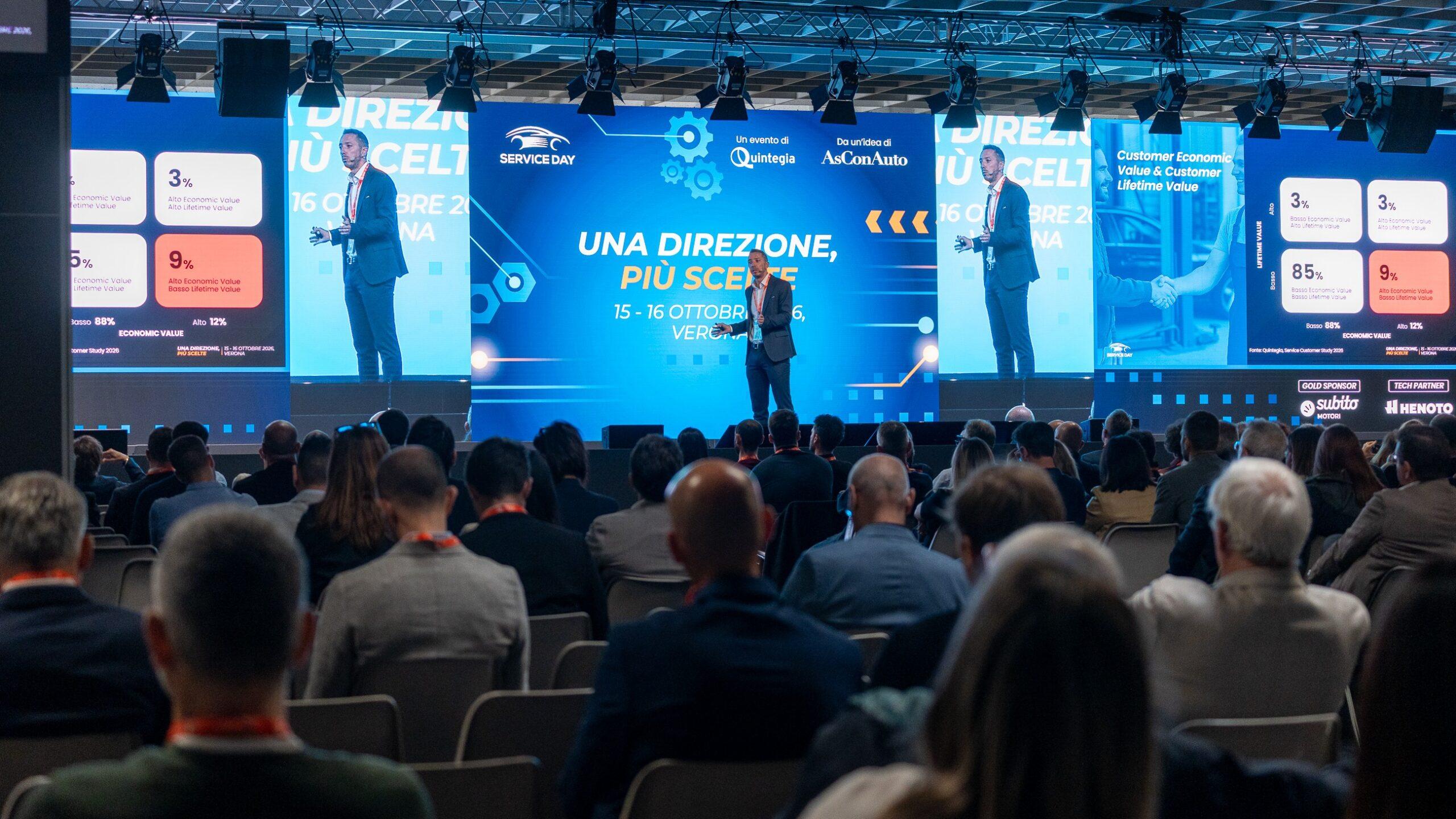
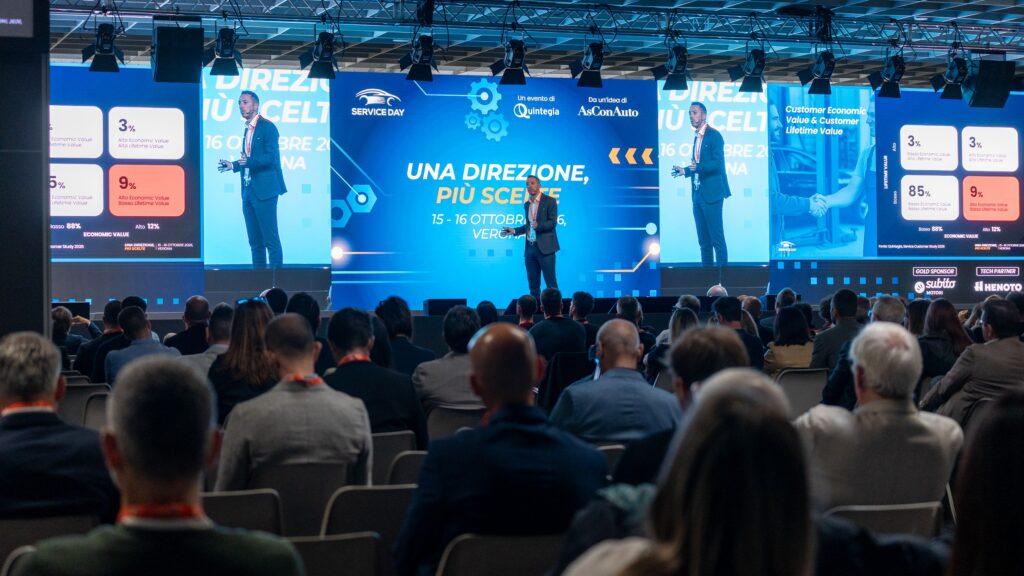
After-sales is becoming an increasingly decisive factor in the relationship between customers and automotive brands: 97% of respondents consider the quality of the service network important when choosing a car brand. This is one of the most significant findings of Quintegia’s Service Customer Study 2026, a research initiative dedicated to exploring automotive consumers’ behaviours, attitudes and expectations regarding aftersales services. The study was presented today at Service Day, taking place in Verona on 15 and 16 October.
Beyond the quality of the service network, customers are developing increasingly specific expectations regarding their service experience: securing appointments quickly, receiving expert assistance from brand specialists, benefiting from proactive communication and being able to manage certain stages of the process digitally. These factors have a direct impact on customer satisfaction and help shape the relationship with the brand well beyond a single workshop visit.
A comparison with the findings from 2025 highlights a broad consistency in traditional customer behaviours, particularly the continued preference for telephone calls when booking appointments and contacting workshops, alongside a gradual increase in the use of messaging channels. Among private customers, in particular, WhatsApp usage has risen from 10% to 13%, reflecting a shift towards more immediate and flexible forms of communication.
It is in the service experience that the study’s most significant findings emerge. While the previous edition highlighted the importance of factors such as reliability, price, availability, waiting times and reviews when choosing a workshop, the 2026 analysis emphasises the value of speed, specialisation, proactivity and ease of service management.
Aftersales Is Playing an Increasingly Important Role in Brand Choice
The strategic role of aftersales is further confirmed by other findings from the study. In addition to the 97% of respondents who consider the quality of the service network important when choosing a car brand, 95% value having a dedicated service advisor.
Digitalisation is also gaining ground in the relationship between customers and workshops: 82% of customers are willing to approve repair estimates online, while 78% consider it useful to receive maintenance reminders.
Quick Access to Appointments Makes a Difference
The study’s findings reveal a strong correlation between the quality of the service experience and customer satisfaction. The Net Promoter Score (NPS, a metric that measures customers’ willingness to recommend a service or brand) reaches +65 when customers can secure an appointment within 7 days, but drops to -20 when the waiting time exceeds 21 days.
An equally significant difference emerges in terms of brand specialisation: the NPS reaches +66 when customers perceive a high level of brand-specific expertise, compared with +6 when the perceived level of specialisation is lower.
The workshop’s ability to anticipate customer needs also has a direct impact on satisfaction. When the workshop proactively reminds customers that maintenance is due, the NPS reaches +59, compared with +28 when customers have to initiate the process themselves.
These findings show that the quality of after-sales service is measured not only by the work carried out, but also by the entire customer journey before and during the service experience. Being easy to contact, responding promptly, demonstrating expertise and brand-specific knowledge, and maintaining proactive communication with customers are becoming essential elements of the overall experience.
Overall, the analysis paints a picture of customers who expect a service that is not only competent and reliable, but also prompt, proactive in anticipating their needs and easy to manage. This shift further strengthens the role of aftersales as a strategic component of the brand experience and customer relationship.
Download the free excerpt from the study: LINK