

The first edition of Quintegia’s study reveals a cautious approach to electrification in corporate fleets. Cost control, operational flexibility and the growing use of artificial intelligence in fleet management are at the heart of companies’ strategies.
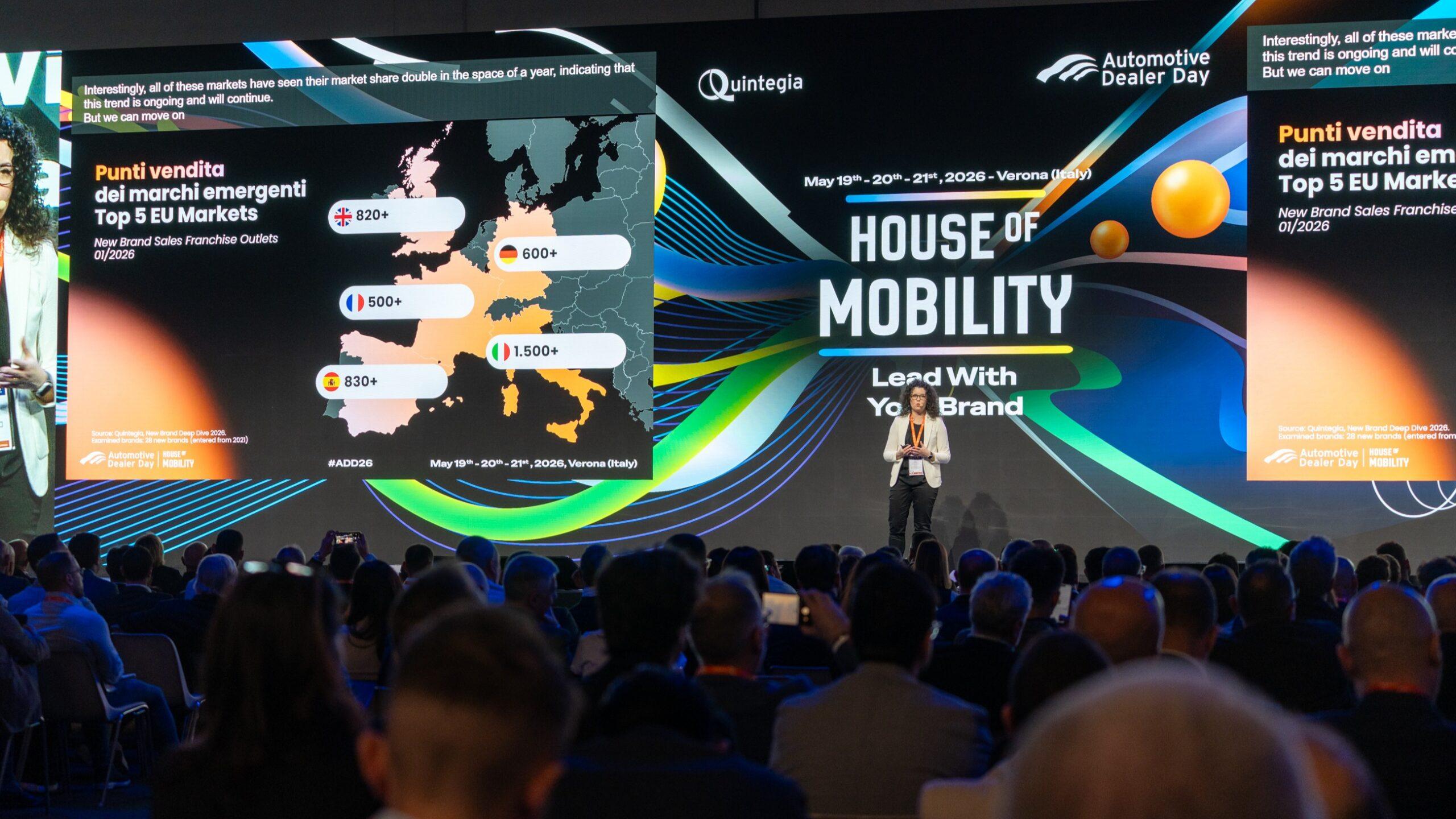
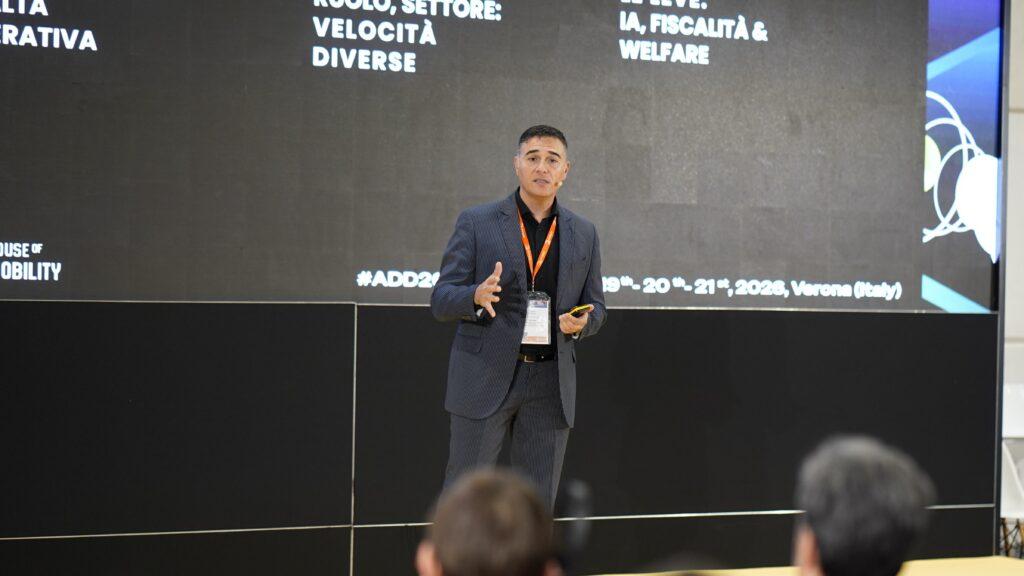
Quintegia has released a preview of the findings from the first edition of Fleet Manager Canvas, a new study designed to provide a structured overview of the needs and expectations of companies with medium and large vehicle fleets. The study was officially presented for the first time at Automotive Dealer Day.
The findings suggest that the shift towards an all-electric future is progressing slowly in this segment as well. Fleet managers from the medium and large companies surveyed expect battery electric vehicles, or BEVs, to account for an average of just 16% of their vehicle mix by 2028. By contrast, plug-in hybrid electric vehicles, or PHEVs, are expected to reach 40%, confirming a trend already visible in the wider automotive market, albeit with the specific dynamics of the business segment.
The role of long-term rental
One of the key findings of Fleet Manager Canvas — the natural evolution of Quintegia’s Company Car Canvas study on SMEs presented last year — is that fleet managers choose long-term rental in 93% of cases when adding vehicles to their fleets. Another central issue is the need to respond to drivers’ expectations: among those open to electric vehicles, the overwhelming majority want a range of at least 450 kilometres. At the same time, companies are looking for a more proactive and structured relationship when it comes to sales and aftersales services.
Fleet Manager Canvas also shows that, in 76% of cases, the new fringe benefit regulations have led companies to change their powertrain mix. Free workplace charging and contributions towards local public transport are currently the most common welfare initiatives, each adopted by 28% of the companies surveyed.
Challenges for the next three years and the role of AI
Fleet managers at medium and large companies, managing fleets ranging from 15 to more than 500 vehicles, are paying close attention to KPIs linked to energy costs, monitored by 67% of respondents, and TCO, or Total Cost of Ownership, per vehicle, monitored by 56%.
The main challenges they expect to face over the next three years include optimising fleet costs (58%), managing the energy transition (53%) and balancing corporate objectives with drivers’ needs (47%).
Fleet managers also expect to use artificial intelligence in fleet management over the next three years, particularly for data integration (63%) and TCO optimisation.
…
Il Fleet Manager Canvas (questionario con oltre 30 quesiti, focus esclusivamente su autovetture, rilevazione marzo-aprile 2026) nasce per analizzare in modo strutturato esigenze e desiderata delle aziende con medio-grandi flotte.
The study involved Fleet and Mobility Managers in order to capture current approaches and emerging trends.
In this first edition, the focus is exclusively on passenger car fleets. In an automotive market where business customers are becoming increasingly important and require more tailored approaches, the study aims to provide an in-depth analysis of the main factors guiding corporate mobility decisions: from products and services to operational aspects, from aftersales satisfaction to taxation and welfare, through to the challenges and opportunities shaping the evolution of corporate mobility.