

The fifth edition of Service Day, titled “A ritmo del post vendita,” has once again proven to be a benchmark event for the entire automotive aftersales industry. Organized by Quintegia from an idea by AsConAuto, the event brought together professionals, experts, and companies in Verona to assess the state of the industry and define concrete strategies to tackle emerging challenges.
The meeting began by outlining the broader context: Italy’s vehicle fleet is aging — over the past decade, the average car age has risen from under ten years to around thirteen, according to ACI data. At the same time, the number of service points (authorized and independent workshops, tire specialists, and body shops) has fallen by 8% in the last five years. Meanwhile, technology continues to evolve rapidly — both in powertrains and in onboard systems — leaving service networks to deal with increasingly complex demands.
Against this backdrop, the two-day event in Verona focused on open dialogue among all players in the automotive aftermarket, highlighting both the opportunities tied to skills, processes, and production capacity, and the key needs for managing the industry’s ongoing transformation. Particular attention was given to the growing influence of new and emerging brands in the aftersales segment.
As of today, these new brands account for less than 0.5% of the total vehicle fleet (according to Quintegia’s 2025 estimates), compared with around 95% held by established, traditional manufacturers. While dedicated service and maintenance for these emerging brands will become more important in the long term, the need to ensure proper maintenance support — and therefore a reliable supply of spare parts — is already being felt today.
With over 50 experts and speakers on stage and a vibrant exhibition area, Service Day offered participants practical tools to rethink their business models, boost profitability, and enhance the customer experience — a key factor in building loyalty among both private and business clients.
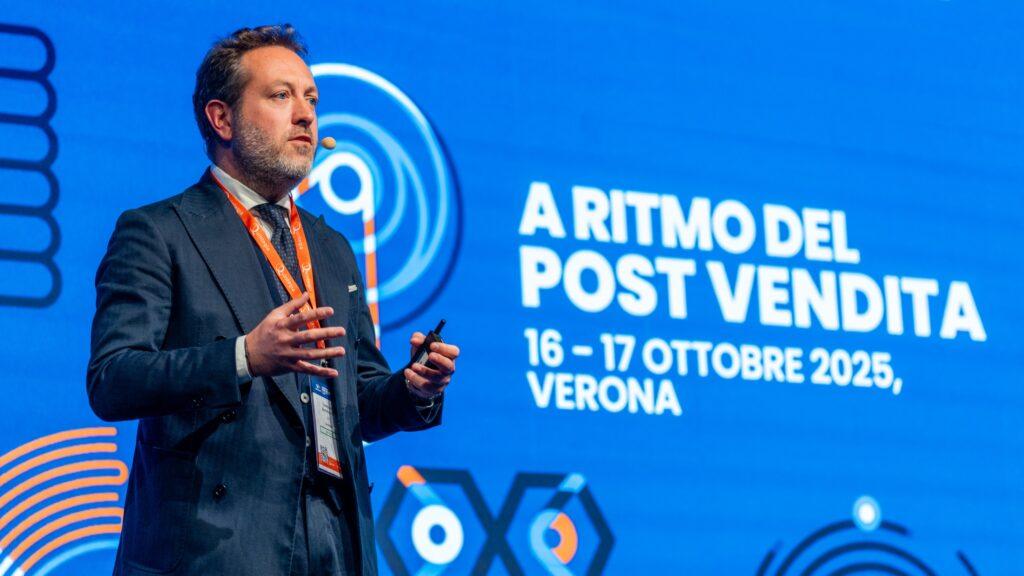
“In this edition, we continued the path we started in 2018 — building on the crucial shift from simple repair services to the broader concept of service value — by deepening our understanding of the pace at which the industry is evolving and what it truly needs. Amid the overall uncertainty surrounding the automotive system, we’ve witnessed a strong and deep-seated determination among key players not to slow down, but rather to embrace change with the right awareness and a commitment to delivering modern services focused on efficiency, quality, and reliability.
Driving profitability, revenue, and customer satisfaction today means first and foremost investing in training, digitalization, and innovation — turning knowledge into action and meeting the well-defined expectations of both private and business customers. Service Day has therefore confirmed itself not only as a moment for updates and networking, but also as a laboratory of ideas and strategies to approach the future of aftersales with both vision and pragmatism.” said Tommaso Bortolomiol, CEO of Quintegia.
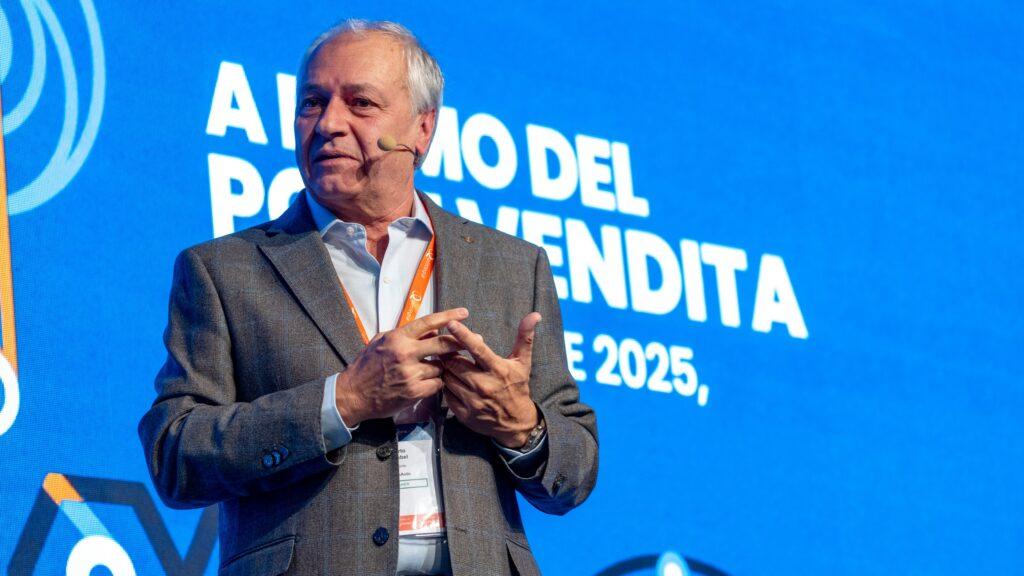
Roberto Scarabel, President of AsConAuto stated: “We are extremely pleased with the level of participation recorded at this 5th edition of Service Day. The event once again proved to be an outstanding forum for dialogue among all players in the automotive aftersales supply chain, as well as an important opportunity for professional growth thanks to the many sessions dedicated to key current topics that are reshaping the landscape of service and aftersales operations. We are proud that many manufacturers chose to hold their network meetings within the framework of Service Day, acknowledging the credibility and strength of a project that AsConAuto conceived and has continued to support over the years. Today, Service Day stands as the home of Service — a place where knowledge, expertise, and innovation are created and shared for a sector that is increasingly strategic to the competitiveness of sales and service networks.”
*The circulating fleet of the most established traditional brands exceeds 39 million vehicles (95% accounted for by 30 brands, out of a total of 41 million when including smaller brands), while emerging brands reached around 130,000 vehicles in 2024 (0.3%) and approximately 200,000 vehicles as of today (0.5% across 21 brands).